“As on the one hand, the necessity for borrowing in particular emergencies cannot be doubted, so on the other, it is equally evident that to be able to borrow upon good terms, it is essential that the credit of a nation should be well established.”
Quote by Alexander Hamilton
Work
The Works of Alexander Hamilton: Miscellanies, 1789-1795: France; Duties on imports; National bank; Manufactures; Revenue circulars; Reports on claims, etc
The Works of Alexander Hamilton: Miscellanies, 1789-1795: France; Duties on imports; National bank; Manufactures; Revenue circulars; Reports on claims, etc is a collection of Alexander Hamilton's works from the late 18th century. It includes his writings on a range of subjects, including his views on France, the implementation of import duties, the establishment of the national bank, the promotion of manufacturing, and his contributions to revenue circulars and reports on claims. This compilation provides insight into Hamilton's political and economic thought during a pivotal period in American history. more
Author
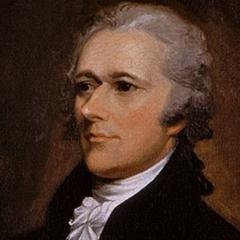
Alexander Hamilton
Alexander Hamilton was a Founding Father of the United States, born on January 11, 1757, and died on July 12, 1804. He played a crucial role in the American Revolutionary War and was instrumental in the drafting of the U.S. Constitution. As the first Secretary of the Treasury, Hamilton promoted fiscal stability and economic growth, establishing the First Bank of the United States and proposing solutions for federal debt. His ideas and policies had a profound impact on the early political and economic development of the United States. more
You May Also Like
Source: Maxims of Washington: Political, Social, Moral, and Religious
Source: Memoirs, Correspondence and Private Papers of Thomas Jefferson, Late President of the United States
Source: Thomas Jefferson: Thoughts on War and Revolution : Annotated Correspondence
Source: The Vision of Hamilton: Hamilton's 4 Reports and LaRouche's 4 Laws
Source: The Political Economy of the American Revolution
Source: Reports of the Secretary of the Treasury of the United States, Prepared in Obedience to the Act of the 10th May, 1800: ... to which are Prefixed, the Reports of Alexander Hamilton, on Public Credit, on a National Bank, on Manufactures, and on the Establishment of a Mint ... Printed by Order of the Senate of the United States
Source: Reports of the secretary of the Treasury of the United States