“The basis of our governments being the opinion of the people, the very first object should be to keep that right; and were it left to me to decide whether we should have a government without newspapers or newspapers without a government, I should not hesitate a moment to prefer the latter. But I should mean that every man should receive those papers and be capable of reading them.”
Quote by Thomas Jefferson
Work
Memoir, correspondence, and miscellanies from the papers of T. Jefferson
Memoir, correspondence, and miscellanies from the papers of T. Jefferson is a collection of documents that provide a comprehensive view of the personal and professional life of Thomas Jefferson. The volume includes his correspondence, personal reflections, and various other writings, shedding light on his political beliefs, scientific pursuits, and personal experiences. more
Author
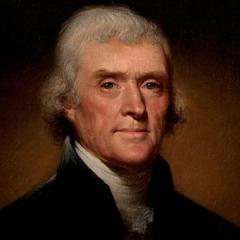
Thomas Jefferson
Thomas Jefferson was the third President of the United States, a distinguished politician, philosopher, architect, and scientist. He was born on April 13, 1743, and died on July 4, 1826. Jefferson advocated for democracy and freedom in politics and was one of the main authors of the Declaration of Independence. His political ideas had a profound impact on the founding and development of the United States. more
You May Also Like
Source: Letters
Source: Memoir, Correspondence, and Miscellanies: From the Papers of Thomas Jefferson
Source: The Origin of the Nation: Declaration of Independence, Constitution, Bill of Rights and Other Amendments, Federalist Papers & Common Sense: Creating America - Landmark Documents that Shaped a New Nation
Source: Public and private papers