“You make a great, very great mistake, if you think that psychology, being the science of the mind's laws, is something from which you can deduce definite programmes and schemes and methods of instruction for immediate schoolroom use.”
Quote by William James
Work
Talks to Teachers on Psychology: And to Students on Some of Life's Ideals
This book is a compilation of talks that delve into psychological principles and explore various life ideals, intended for both teachers and students to gain insights and perspectives on these topics. more
Author
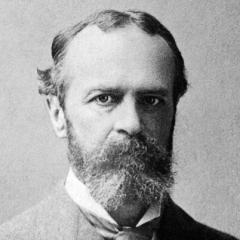
William James
William James, born on January 11, 1842, and died on August 26, 1910, was an influential American philosopher, psychologist, and writer. He is considered one of the founders of functionalism in psychology and has had a profound impact on the fields of psychology, philosophy, and religion. more
You May Also Like
Source: Talks to Teachers on Psychology and to Students on Some of Life's Ideals
Source: Talks to Teachers on Psychology and to Students on Some of Life's Ideals
Source: Talks to Teachers on Psychology: And to Students on Some of Life's Ideals
Source: Talks to Teachers on Psychology and to Students on Some of Life's Ideals
“The amount of psychology which is necessary to all teachers need not be very great.”
Source: Talks to Teachers on Psychology: And to Students on Some of Life's Ideals
“What a teacher needs to know about psychology "might almost be written on the palm of one's hand."”
Source: Talks to Teachers on Psychology and to Students on Some of Life's Ideals
Source: James and Dewey on Belief and Experience