“We scornfully decline, because of one whom we love and who will some day be of so little account, to see another who is of no account to-day, with whom we shall be in love to-morrow, with whom we might, perhaps, had we consented to see her now, have fallen in love a little earlier and who would thus have put a term to our present sufferings, bringing others, it is true, in their place.”
Quote by Marcel Proust
Work
Delphi Complete Works of Marcel Proust (Illustrated)
The Delphi Complete Works of Marcel Proust (Illustrated) is a meticulously curated compilation of the renowned French author's literary output. This collection features Proust's most celebrated novels, including "In Search of Lost Time," as well as his shorter works, all accompanied by captivating illustrations. This volume is an essential addition to any literature enthusiast's library, offering a comprehensive and visually appealing exploration of Proust's literary genius. more
Author
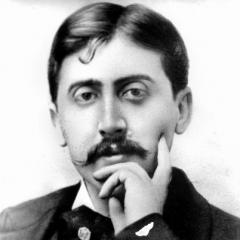
Marcel Proust
Marcel Proust was a French novelist renowned for his magnum opus, 'In Search of Lost Time'. This novel is considered a classic of 20th-century literature, known for its intricate psychological portrayals and profound exploration of memory. more
You May Also Like
Source: The captive, The fugitive
“Men may die like lambs and yet have their place forever with the goats.”
Source: The Ayn Rand Lexicon: Objectivism from A to Z
Source: Treasury of David
“Our happy God should be worshiped by a happy people.”
Source: Spurgeon on the Psalms: Book Four
“It is all ablaze with grateful adoration.”
Source: The Treasury of David: Spurgeon's Classic Work on the Psalms