“Bells, the poor man's only music.”
Quote by Samuel Taylor Coleridge
Author
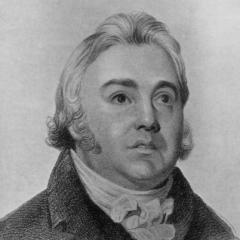
Samuel Taylor Coleridge
Samuel Taylor Coleridge was an English poet, critic, and philosopher, renowned for his works such as 'The Rime of the Ancient Mariner' and 'Kubla Khan'. A leading figure in the Romantic movement, his work has had a significant impact on English literature. more
You May Also Like
“Trochee trips from long to short; From long to long in solemn sort Slow Spondee stalks.”
Source: Works
“Indignation at literary wrongs I leave to men born under happier stars. I cannot afford it.”
Source: Samuel Taylor Coleridge: The Man Behind The Lyrics (Illustrated Edition): Autobiographical Works (Memoirs, Complete Letters, Literary Introspection, Thoughts and Notes on Poetry); Including Extensive Biographies and Studies on S. T. Coleridge
“Milton had a highly imaginative, Cowley a very fanciful mind.”
Source: The Complete Works of Samuel Taylor Coleridge: With an Introductory Essay Upon His Philosophical and Theological Opinions
Source: Samuel Taylor Coleridge: The Man Behind The Lyrics (Illustrated Edition): Autobiographical Works (Memoirs, Complete Letters, Literary Introspection, Thoughts and Notes on Poetry); Including Extensive Biographies and Studies on S. T. Coleridge
Source: Letters, conversations, and recollections [ed. by T.Allsop].
“Carved with figures strange and sweet, All made out of the carver's brain.”
Source: The Rime of the Ancient Mariner
Source: The Complete Works of Samuel Taylor Coleridge: With an Introductory Essay Upon His Philosophical and Theological Opinions
Source: Coleridge's Aids to reflection: with the author's last corrections
Source: Biographia Literaria: Or, Biographical Sketches of My Literary Life and Opinions