“Truths ... are too often considered as so true, that they lose all the power of truth, and lie bed-ridden in the dormitory of the soul, side by side with the most despised and exploded errors.”
Quote by Samuel Taylor Coleridge
Work
Coleridge's Aids to reflection: with the author's last corrections
This volume contains the final, corrected version of Samuel Taylor Coleridge's 'Aids to Reflection,' a prose work that explores the principles of Christian faith and moral philosophy. Drawing on German idealism and Anglican theology, Coleridge argues for the importance of reflective thought in understanding religious truths and cultivating spiritual life. The text is structured as a series of aphorisms and commentaries, intended to guide readers toward deeper self-knowledge and a reasoned faith. The edition includes the author's last corrections, reflecting his refined views on conscience, reason, and the relationship between philosophy and religion. more
Author
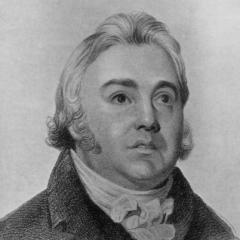
Samuel Taylor Coleridge
Samuel Taylor Coleridge was an English poet, critic, and philosopher, renowned for his works such as 'The Rime of the Ancient Mariner' and 'Kubla Khan'. A leading figure in the Romantic movement, his work has had a significant impact on English literature. more
You May Also Like
Source: Biographia Literaria: Or, Biographical Sketches of My Literary Life and Opinions
Source: Specimens of the table talk
Source: Songs, Ballads, and Stories: Including Many Now First Collected, the Rest Revised and Rearranged
Source: Poems
Source: Blackberries picked off many bushes, by D. Pollex and others, put in a basket [verse, really written] by W. Allingham
Source: William Allingham: a diary
“Solitude is very sad, Too much company twice as bad.”
Source: Poems