Quotessence
Home / Quotes / Quote by Molly Antopol

Quote by Molly Antopol

“For so many of my characters, they were political in their own countries and they risked their lives for certain political beliefs that they had, only to be brought to America where they're not treated like Americans - they're just not really treated like anything.”

Quote by Molly Antopol

Author
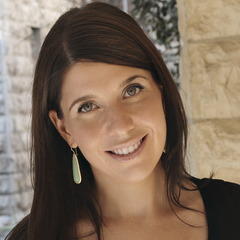
Molly Antopol
Molly Antopol

Molly Antopol is an American fiction writer born in 1979. Her works are known for their delicate emotions and profound insights into themes such as identity, culture, and social change. more

You May Also Like

“I knew that I was writing for an American audience and that if I sold foreign rights, they would retranslate the book to make it make sense to that language. But one thing that was really important to me was not to italicize any of the words in the languages that were in the stories, because I feel like those foreign words felt just as important and integral to the story as everything else, so I wanted it all to just exist as its own thing.”

“It's funny - for a long time, I didn't know I was writing a book. I was writing stories. For me, each story took so long and took so much out of me, that when I finished it, I was like, Oh my gosh, I feel like I've poured everything from myself into this, and then I'd get depressed for a week. And then once I was ready to write a new story, I would want to write about something that was completely different, so I would search for a totally different character with a different set of circumstances.”

“But what I realized when I was looking back at them was that no matter how different they are, they're still coming from me, and they're still coming from my brain and my set of obsessions. I think that no matter how different I tried to make them, there were just these certain questions that I just kept circling back to as I was writing. I think they were the ones I was really swept up in in that decade.”

“With the Holocaust - I wonder if a lot of Jewish writers of my generation have felt this way - it feels really intimidating to approach it. I feel like so many writers who have either lived through it firsthand or were part of that generation where they were closer to the people who were in it have written so beautifully about it, so there's no lack of great books about it”

“It was tricky [to write about Israelis], because everyone has an opinion about the Arab - Israeli conflict, and when I first started writing these stories, I was working for an Arab - Israeli human rights group. It was during the Second Intifada. It was this totally violent and intense time, and I think there's a part of me where I don't know how to write about that situation without getting my politics out of my messages, and that's something that was important for me not to do in this book.”