“If Mr. Thornton was a fool in the morning, as he assured himself at least twenty times he was, he did not grow much wiser in that afternoon. All that he gained in return for his sixpenny omnibus ride, was a more vivid conviction that there never was, never could be, any one like Margaret; that she did not love him and never would; but that she — no! nor the whole world — should never hinder him from loving her.”
Quote by Elizabeth Gaskell
Work
Norte e Sul: North and South: Edição bilíngue português - inglês
The novel is a historical romance set in the 19th century, focusing on the complex relationship between a wealthy industrialist and a poor, educated woman from the rural south. The narrative delves into themes of social class, love, and the impact of industrialization on society. more
Author
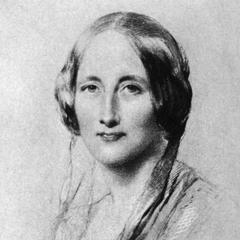
Elizabeth Gaskell
Elizabeth Gaskell was a British novelist born on September 29, 1810, in Manchester. Her works primarily depicted the social life of Britain during the Industrial Revolution, focusing on the lives of the working class. Gaskell is renowned for her delicate emotional portrayal and profound social insight, with notable works including 'Mary Barton' and 'North and South'. more
You May Also Like
Source: Delphi Complete Works of Elizabeth Gaskell (Illustrated)
Source: The Complete Works of Elizabeth Gaskell (20+ Books)
“I nod like I’m listening,like we’re communicating, and she never knows the difference.”
Source: The Impossible Knife of Memory
Source: Requiem
Source: All Quiet on the Western Front: A Novel
“Beatrice. We should think of our family. But. But we must also think of ourselves.”