“There is a kind of sleep that steals upon us sometimes, which, while it holds the body prisoner, does not free the mind from a sense of things about it, and enable it to ramble at its pleasure. So far as an overpowering heaviness, a prostration of strength, and an utter inability to control our thoughts or power of motion, can be called sleep, this is it; and yet we have a consciousness of all that is going on about us; and if we dream at such a time, words which are really spoken, or sounds which really exist at the moment, accommodate themselves with surprising readiness to our visions, until reality and imagination become so strangely blended that it is afterwards almost a matter of impossibilty to separate the two. Nor is this, the most striking phenomenon, incidental to such a state. It is an undoubted fact, that although our senses of touch and sight be for the time dead, yet our sleeping thoughts, and the visionary scenes that pass before us, will be influenced, and materially influenced, by the mere silent presence of some external object: which may not have been near us when we closed our eyes: and of whose vicinity we have had no waking consciousness.”
Quote by Charles Dickens
Work
Oliver Twist is a classic novel that follows the life of an orphan boy born in a workhouse. After daring to ask for more food, Oliver is punished and eventually runs away to London. There, he is taken in by a group of young pickpockets led by the cunning Fagin. The story explores themes of poverty, social injustice, and the struggle between good and evil as Oliver encounters both cruel and compassionate characters, ultimately seeking a place where he belongs. more
Author
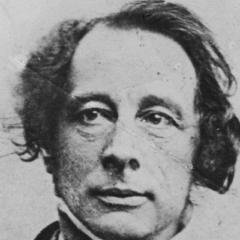
Charles Dickens, a British writer born on February 7, 1812, and died on June 9, 1870, is one of the greatest novelists of the 19th century. Known for his profound social criticism and vivid narrative style, Dickens' works extensively cover social reality, revealing various issues in the British society of the time. more
You May Also Like
“I used to sleep the sleep of someone who knew she was loved. Now, I didn't.”
“Sleep crawled on top of me like an affectionate, purring pet-”
“They had slept in the shelter of the ruins, though neither of them really got true rest.”