“Cu cealaltă jumătate a minții ai putea, cumva, să-ți construiești o lume a ta, proprie și secretă, în care să trăiești cum vrei tu.”
Book:1984
“Cu cealaltă jumătate a minții ai putea, cumva, să-ți construiești o lume a ta, proprie și secretă, în care să trăiești cum vrei tu.”
George Orwell's '1984' is a seminal work of literature that explores themes of government control, individuality, and the erosion of privacy. The story is set in a future where the world is divided into three superstates, each engaged in perpetual war. The protagonist, Winston Smith, works for the Ministry of Truth and is disillusioned with the oppressive regime. The novel delves into the psychological and societal consequences of living under constant surveillance and the struggle for truth and freedom. more
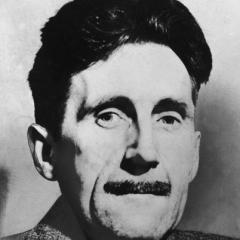
George Orwell, born Eric Arthur Blair, was a British novelist and political critic. Known for his sharp social criticism and profound insights into totalitarianism, Orwell is best remembered for his novels '1984' and 'Animal Farm', which remain influential to this day. more
“Our lives are guided by our dislikes, disdains and phobias... rather than acute positivity.”
“Jesus, what a nuisance it was, being desperate to stay alive.”
“Needlessly scrutinizing friends is like the nuisance of going between the bark and the tree.”