Quotessence
Home / Quotes / Quote by Charles Dickens

Quote by Charles Dickens

“Calamity with us, is made an excuse for doing wrong. With them, it is erected into a reason for their doing right. This is really the justice of rich to poor, and I protest against it because it is so.”

Quote by Charles Dickens

Author
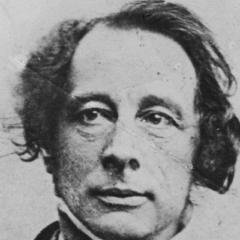
Charles Dickens
Charles Dickens

Charles Dickens, a British writer born on February 7, 1812, and died on June 9, 1870, is one of the greatest novelists of the 19th century. Known for his profound social criticism and vivid narrative style, Dickens' works extensively cover social reality, revealing various issues in the British society of the time. more

You May Also Like

“Freedom of opinion! Where is it? I see a press more mean and paltry and silly and disgraceful than any country ever knew, - if that be its standard, here it is. ... I speak of Miss Martineau, and all parties... shower down upon her a perfect cataract of abuse. "But what has she done? Surely she praised America enough!" - "Yes, but she told us of some of our faults, and Americans can't bear to be told of their faults.”

“I am no longer a divine biped. I am no longer the freest German after Goethe, as Ruge named me in healthier days. I am no longer the great hero No. 2, who was compared with the grape-crowned Dionysius, whilst my colleague No. 1 enjoyed the title of a Grand Ducal Weimarian Jupiter. I am no longer a joyous, somewhat corpulent Hellenist, laughing cheerfully down upon the melancholy Nazarenes. I am now a poor fatally-ill Jew, an emaciated picture of woe, an unhappy man.”

“Like the princess, Philip didn't believe in public displays of affection, which made it easy to mask his feelings. But he revealed them privately in a touching letter to Queen Elizabeth in which he wondered if he deserved "all the good things which have happened to me," especially "to have fallen in love completely and unreservedly.”

“I do must decidedly object, and have a most invincible and powerful repugnance to that frequent reference to the Almighty in small matters, which so many excellent persons consider necessary in the education of children. I think it monstrous to hold the source of inconceivable mercy and goodness perpetually up to them as an avenging and wrathful God who - making them in His wisdom children before they are men and women - is to punish them awfully for every little venial offence which is almost a necessary part of that stage of life.”

“I was a witness of the execution at Horsemonger-lane this morning. ... I believe that a sight so inconceivably awful as the wickedness and levity of the immense crowd collected at that execution this morning could be imagined by no man, and could be presented in no heathen land under the sun. The horrors of the gibbet and of the crime which brought the wretched murderers to it, faded in my mind before the atrocious bearing, looks and language, of the assembled spectators. ... When the two miserable creatures who attracted all this ghastly sight about them were turned quivering into the air, there was no more emotion, no more pity, no more thought that two immortal souls had gone to judgment, no more restraint in any of the previous obscenities, than if the name of Christ had never been heard in this world, and there were no belief among men but that they perished like beasts.”