“Continuously thou wilt look at human things as smoke and nothing at all; especially if thou reflectest at the same time, that what has once changed will never exist again in the infinite duration of time. But thou, in what a brief space of time is thy existence? And why art thou not content to pass through this short time in an orderly way?”
Quote by Marcus Aurelius
Work
The Meditations of Marcus Aurelius
The Meditations is a series of philosophical reflections written by Marcus Aurelius, Roman Emperor from 161 to 180 AD. The text is a compilation of his personal thoughts and musings, reflecting his Stoic beliefs and his approach to governance and life. The work is considered a significant contribution to the Stoic tradition and offers a unique glimpse into the mind of one of history's most influential rulers. more
Author
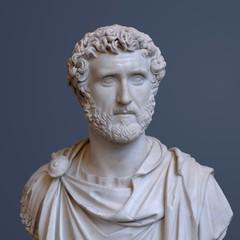
Marcus Aurelius
Marcus Aurelius, born in 121 AD and died in 180 AD, was an emperor of the Roman Empire. He is one of the Five Good Emperors and is known for his philosophical thoughts and the stability of his reign. He was not only an outstanding politician but also a famous Stoic philosopher, whose work 'Meditations' has had a profound impact on later generations. more
You May Also Like
Source: Stoic Six Pack: Meditations of Marcus Aurelius The Golden Sayings Fragments and Discourses of Epictetus Letters from a Stoic and The Enchiridion
Source: Stoic Six Pack: Meditations of Marcus Aurelius, Golden Sayings, Fragments and Discourses of Epictetus, Letters from a Stoic and The Enchiridion
Source: Meditations
Source: Stoic Six Pack: Meditations of Marcus Aurelius The Golden Sayings Fragments and Discourses of Epictetus Letters from a Stoic and The Enchiridion
Source: Meditations
“All those [events in history] were such dramas as we see now, only with different actors.”
Source: Stoic Six Pack: Meditations of Marcus Aurelius The Golden Sayings Fragments and Discourses of Epictetus Letters from a Stoic and The Enchiridion
Source: Stoic Six Pack: Meditations of Marcus Aurelius The Golden Sayings Fragments and Discourses of Epictetus Letters from a Stoic and The Enchiridion
Source: Stoic Six Pack: Meditations of Marcus Aurelius, Golden Sayings, Fragments and Discourses of Epictetus, Letters from a Stoic and The Enchiridion