“Whatever is worthy to be loved for anything is worthy of preservation. A wise and dispassionate legislator, if any such should ever arise among men, will not condemn to death him who has done or is likely to do more service than injury to society. Blocks and gibbets are the nearest objects with legislators, and their business is never with hopes or with virtues.”
Quote by Walter Savage Landor
Work
Imaginary Conversations of Literary Men and Statesmen: Richard I and the Abbot of Boxley. The Lord Brooke and Sir Philip Sidney. King Henry IV and Sir Arnold Savage. Southey and Porson. Oliver Cromwel and Walter Noble. Aeschines and Phocion. Queen Elizabeth and Cecil. King James I and Isaac Casaubon. Marchese Pallavicini and Walter Landor. General Kleber and some French officers. Bonaparte and the president of the senate. Bishop Burnet and Humphrey Hardcastle. Peter Leopold and the President Du
This book presents a series of imagined conversations between notable literary figures and statesmen from different eras, including monarchs, politicians, and scholars. The discussions are set in historical contexts and explore the thoughts and ideas of these individuals. more
Author
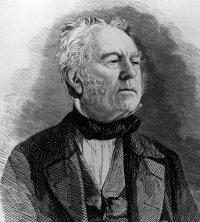
Walter Savage Landor
Walter Savage Landor was an English writer known for his poetry and prose. His works are renowned for their wit, satire, and profound philosophical insights, which have had a lasting impact on literature. more
You May Also Like
“And Modesty, who, when she goes, Is gone for ever.”
Source: Gebir, Count Julian: And Other Poems
“It is easy to look down on others; to look down on ourselves is the difficulty.”
Source: Selections from the Writings of Walter Savage Landor
Source: The works of Walter Savage Landor [ed. by J. Forster].
Source: The Works and Life of Walter Savage Landor: Dialogues in verse : Gebir. Acts and scenes. Hellenics
Source: Selections from the Writings of Walter Savage Landor
“Every good writer has much idiom; it is the life and spirit of language.”
Source: Imaginary conversations of Greeks and Romans
Source: Dialogues of sovereigns and statesmen
“Old trees in their living state are the only things that money cannot command.”
Source: Imaginary Conversations of Literary Men and Statesmen: Richard I and the Abbot of Boxley. The Lord Brooke and Sir Philip Sidney. King Henry IV and Sir Arnold Savage. Southey and Porson. Oliver Cromwel and Walter Noble. Aeschines and Phocion. Queen Elizabeth and Cecil. King James I and Isaac Casaubon. Marchese Pallavicini and Walter Landor. General Kleber and some French officers. Bonaparte and the president of the senate. Bishop Burnet and Humphrey Hardcastle. Peter Leopold and the President Du