“The honey-bee's great ambition is to be rich, to lay up great stores, to possess the sweet of every flower that blooms. She is more than provident. Enough will not satisfy her, she must have all she can get by hook or crook.”
Book:Pepacton
“The honey-bee's great ambition is to be rich, to lay up great stores, to possess the sweet of every flower that blooms. She is more than provident. Enough will not satisfy her, she must have all she can get by hook or crook.”
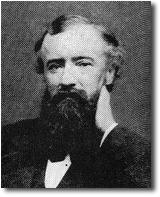
John Burroughs (April 3, 1837 – March 29, 1921) was an American essayist and naturalist, widely regarded as the father of American nature writing. Born in Roxbury, New York, he worked as a teacher and journalist before dedicating himself to observing and writing about nature. His works, such as Wake-Robin and Winter Sunshine, are celebrated for their vivid descriptions and philosophical depth. A close friend of poet Walt Whitman, Burroughs emphasized the spiritual connection between humans and the natural world. His writings influenced early conservation movements and continue to inspire readers today. more
“The spider's touch, how exquisitely fine! Feels at each thread, and lives along the line.”
“Deep in the sun-searched growths the dragonfly Hangs like a blue thread loosened from the sky.”