“...to bring a child into existence without a fair prospect of being able, not only to provide food for its body, but instruction and training for its mind is a moral crime, both against the unfortunate offspring and against society”
Quote by John Stuart Mill
Work
The Classical Utilitarians: Bentham and Mill
The Classical Utilitarians: Bentham and Mill delves into the lives and works of Jeremy Bentham and John Stuart Mill, examining their contributions to the utilitarian philosophy. It provides an in-depth analysis of their theories and their impact on ethical thought. more
Author
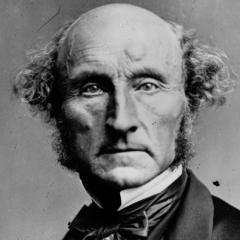
John Stuart Mill
John Stuart Mill was an influential British philosopher, economist, and logician. He is one of the most important figures in 19th-century philosophy and his ideas had a profound impact on political, social, and philosophical thought of the time. more
You May Also Like
“It took the real thing to show you the size of your delusions.”
Source: My Name Is Memory
Source: The Cross and the Switchblade
“Drugs, what a devil-inspired poison! It’s death on the installment plan.”
Source: The Cross and the Switchblade
Source: A Mind Awake: An Anthology of C. S. Lewis
“Building a temple didn't mean you believed in gods, it just meant you believed in architecture.”