“He wasn't a medical doctor, just educated all the way up as far as you can get.”
Book:Thirteenth Child
“He wasn't a medical doctor, just educated all the way up as far as you can get.”
In a world where the thirteenth child is considered to bring bad luck, this novel follows the life of a young girl who is the thirteenth child in her family. The story delves into her journey as she navigates her destiny and the challenges that come with being the bearer of a curse. The narrative explores themes of family, identity, and the struggle to overcome societal expectations. more
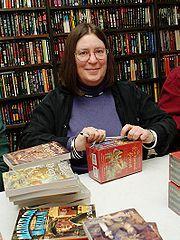
Patricia C. Wrede (born March 27, 1953) is an acclaimed American fantasy author, best known for the Enchanted Forest Chronicles and the Lyra series. Her works are celebrated for their humor, wit, and subversion of traditional fantasy tropes, appealing to both young adult and adult readers. Born in Chicago, Illinois, she earned a biology degree from Carleton College before turning to writing. Wrede served as president of the Science Fiction and Fantasy Writers of America (SFWA) and has been nominated for multiple Nebula and Hugo Awards. Her innovative storytelling has left a lasting mark on the fantasy genre. more
“It’s what you do in the present that will redeem the past and thereby change the future.”
“People never leave, we are always here in our past and future lives.”
“Your initiations are worthwhile.”