Quotessence
Home / Quotes / Quote by Craig Thompson

Quote by Craig Thompson

“How satisfying it is to leave a mark on a blank surface. To make a map of my movement - no matter how temporary.”

Quote by Craig Thompson

Author
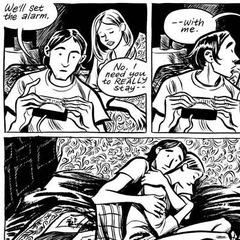
Craig Thompson
Craig Thompson

Craig Thompson is an American novelist known for his distinctive illustration style and profound narrative techniques. His works often explore themes of personal growth, identity, and religious faith, and have won widespread acclaim among readers. Born on September 21, 1975, Thompson's works include 'Good-Bye, Cherry, Good-Bye' and 'Blankets', which have gained popularity in the literary world. more

You May Also Like

“You see many stars in the sky at night, but not when the sun rises. Can you therefore say that there are no stars in the heavens during the day? Because you cannot find God in the days of your ignorance, say not that there is no God.”

“Faris turned on him. "Why choose to wear black today, of all days? I know why I'm in black. Why are you? Mourning? He looked startled. "One does not wear mourning for a servant." You still don't understand, do you? He was not my servant." He regarded her anger, aghast. "What then? What else could he be? Her empty hands shook as she held them out to him. Her voice shook as she replied, "Glove to my hand." Slowly she closed her fists. "Everything.”

“And this I believe: that the free, exploring mind of the individual human is the most valuable thing in the world. And this I would fight for: the freedom of the mind to take any direction it wishes, undirected. And this I must fight against: any idea, religion, or government which limits or destroys the individual. This is what I am and what I am about.”

“Each soul is potentially divine. The goal is to manifest this divinity by controlling nature, external and internal. Do this either by work, or worship, or psychic control, or philosophy - by one, or more, or all of these - and be free. This is the whole of religion. Doctrines, or dogmas, or rituals, or books, or temples, or forms, are but secondary details.”