“The paradox is that exactly the reverse is true. Everything that’s really worthwhile in life came to us free; our minds, our souls, our bodies, our hopes, our dreams, our ambitions, our intelligence, our love of family and children and friends and country. All these priceless possessions are free. But the things that cost us money are actually very cheap and can be replaced at any time. A good man can be completely wiped out and make another fortune. He can do that several times. Even if our home burns down, we can rebuild it. But the things we got for nothing, we can never replace.”
Quote by Earl Nightingale
Work
How to Completely Change Your Life in 30 Seconds
This book provides readers with a concise and actionable plan to initiate significant personal changes swiftly. more
Author
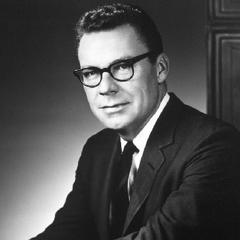
Earl Nightingale
Earl Nightingale was an American author and motivational speaker renowned for his influential work in the field of personal development. Born on December 3, 1921, and passing away on March 25, 1989, Nightingale's teachings emphasized the power of positive thinking and personal responsibility. His most famous work, 'The Strangest Secret', has inspired millions with its message of self-improvement. more
You May Also Like
“Never bring a cannon on stage in Act I unless you intend to fire it by the last act.”
“I can't control what life did to me, but I can control how I react. Therein lies the difference.”
Source: Composing a Life
Source: Composing a Life
Source: Let's Eat Right To Keep FIt