Quotessence
Home / Quotes / Quote by Charles Dickens

Quote by Charles Dickens

“But Physician was a composed man, who performed neither on his own trumpet, nor on the trumpets of other people. Many wonderful things did he see and hear, and much irreconcilable moral contradiction did he pass his life among; yet his equality of compassion was no more disturbed than the Divine Master's of all healing was. He went, like the rain, among the just and unjust, doing all the good he could, and neither proclaiming it in the synagogues nor at the corner of streets.”

Quote by Charles Dickens

Work

LITTLE DORRIT

Charles Dickens' 'Little Dorrit' is a complex narrative that explores themes of social class, family loyalty, and the human spirit. The story follows Amy Dorrit, a young woman who spends her formative years in the Marshalsea prison with her family, who are there due to financial debts. The novel delves into the lives of various characters, including Amy's brother Arthur, who is mistakenly believed to be a criminal, and her friend, the artist Merdle. Through these characters, Dickens critiques the British legal system and societal norms of his time. more

Author

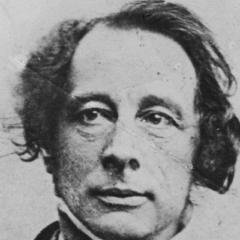
Charles Dickens
Charles Dickens

Charles Dickens, a British writer born on February 7, 1812, and died on June 9, 1870, is one of the greatest novelists of the 19th century. Known for his profound social criticism and vivid narrative style, Dickens' works extensively cover social reality, revealing various issues in the British society of the time. more

You May Also Like

“It was the winter after the most depressing election of my adult life, a low point for my faith in the polls, and I had started keeping an unofficial tally in my head of how much I trusted each new white person I met. It was a pitiful tally, because I had decided most of them would forgive anyone who harmed me, would worry more about vocal antiracism ruining the holiday party season and causing the cheese plates to go to waste than about the lives and sanity of the nonwhite humans in their midst.”

“However, research with activists in the Civil Rights and antiwar movements of the 1950s and 1960s and of those who sheltered Holocaust survivors during World War II confirm that compassion, empathy, and social responsibility were core family values that motivated their actions. Once exercised in action, values of social responsibility and service to others may become integral to identity.”