Quotessence
Home / Quotes / Quote by Ludwig Wittgenstein

Quote by Ludwig Wittgenstein

Work

Tractatus Logico-Philosophicus

Ludwig Wittgenstein's seminal text delves into the foundations of logic and philosophy, offering a unique perspective on the nature of truth, language, and thought. more

Author
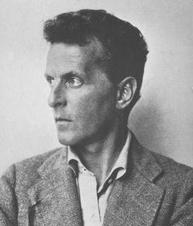
Ludwig Wittgenstein
Ludwig Wittgenstein

Ludwig Wittgenstein was one of the most important philosophers of the 20th century, renowned for his profound contributions to language, logic, and philosophical methods. His ideas have had a significant impact on the development of analytic philosophy and philosophy of language. more

You May Also Like

“If only customs were logical. If only the rules were as simple as "Don't do anything that will hurt others." If that were the only rule, I’d have at least a fifty percent chance of getting it right. I would, for example, ask myself whether saying the Rosary silently on the train would hurt others. The answer would be no and so I would say it. As it is, the reasons as to why something is right and something is not seem arbitrary.”

“My Lord Bacon, in his Novum Organum, discusses this point, and investigates with his habitual brilliance the various categories of evidence, and finds them all flawed. None conveys certainty, he decides, a conclusion which (one might think) would be devastating for scientists and lawyers alike: historians and theologians have learned to live with this, the former modestly tempering their claims, the latter resting their glorious edifice on the more reliable foundations of revelation. For without certainty what is science except glorified guesswork? And without the conviction of certainty, total and absolute, how can we ever hang anyone with an easy conscience? Witnesses can lie and, as I know myself, even an innocent can confess a crime he did not commit. But Lord Bacon did not despair, and claimed one instance of a fingerpost which points in one direction only, and allows of no other possibility. The perfectly independent eyewitness, who has nothing to gain from his revelation, who is, in addition, schooled in observation and report through a gentlemanly status and education, this is the nearest we can get to a reliable witness and his testimony may be said to be conclusive, overwhelming all lesser forms.”