“The indiscriminate denunciation of the rich is mischievous.... No poor man was ever made richer or happier by it. It is quite as illogical to despise a man because he is rich as because he is poor. Not what a man has, but what he is, settles his class. We can not right matters by taking from one what he has honestly acquired to bestow upon another what he has not earned.”
Quote by Benjamin Harrison
Work
Views of an Ex-president
This work presents the observations and experiences of an individual who has served as president, sharing thoughts on political service, decision-making during tenure, and the transition from holding executive power to private citizenship. The text typically addresses themes of institutional memory, the weight of public office, and the evolution of political perspective after leaving the highest elected position. Such memoirs or essay collections often examine the gap between campaign promises and governing realities, the role of the presidency within broader governmental structures, and personal growth through crisis management. The genre of ex-presidential writing serves as both historical documentation and contribution to civic discourse, though specific content varies considerably depending on which president authored the reflections and the historical circumstances of their administration. more
Author
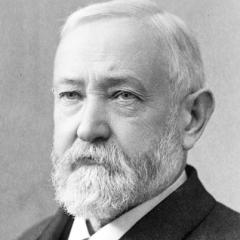
Benjamin Harrison
Benjamin Harrison was the 23rd President of the United States, serving from 1889 to 1893. Born on August 20, 1833, and passing away on March 13, 1901, Harrison was known for his efforts to promote national infrastructure and reforms during his presidency. His term was marked by the push for railway and postal system improvements, and his policies had a lasting impact on the development of the United States. more
You May Also Like
Source: Benjamin Harrison, 1833-1901: chronology, documents, bibliographical aids
Source: State of the Union Addresses
Source: Public Papers and Addresses of Benjamin Harrison: Twenty -third President of the United States. March 4, 1889, to March 4, 1893
Source: Views of an Ex-president
“I'd rather have a bullet inside of me than to be living in constant dread of one.”