“We must learn how to lend ourselves to dreaming when dreams lend themselves to us.”
Quote by Albert Camus
Work
Lyrical and Critical Essays
This book compiles a selection of lyrical and critical essays that delve into the intricacies of poetry and literary analysis. The essays likely examine different literary movements, poetic techniques, and critical perspectives, offering readers a comprehensive view of the subject matter. more
Author
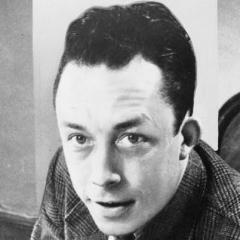
Albert Camus
Albert Camus was a French author and philosopher, born on November 7, 1913, and died on January 4, 1960. Known for his unique existentialist philosophy and profound insights into human suffering, Camus' works include 'The Stranger', 'The Plague', and 'The Myth of Sisyphus', which have had a profound impact on 20th-century literature. more
You May Also Like
“No sadness is greater than in misery to rehearse memories of joy.”
Source: I'll Tell what I Saw: Images from Dante's Divine Comedy
“Never pass up new experiences [Scarlett], They enrich the mind." - Rhett Butler”
Source: Saving Fish From Drowning
Source: Saving Fish From Drowning
“May blessings be upon the head of Cadmus, the Phoenicians, or whoever it was that invented books.”
Source: The collected letters of Thomas and Jane Welsh Carlyle