“Be sure don't let people's telling you, you are pretty, puff you up; for you did not make yourself, and so can have no praise due to you for it. It is virtue and goodness only, that make the true beauty.”
Quote by Samuel Richardson
Work
Pamela Volume 1: Samuel Richardson Collections
This volume is the first part of a two-volume novel by Samuel Richardson, renowned for its detailed character development and its exploration of the complexities of human nature. The story follows the adventures of Pamela, a young servant girl, and her interactions with her employer, Mr. B., highlighting the challenges and triumphs of virtue in a corrupt world. more
Author
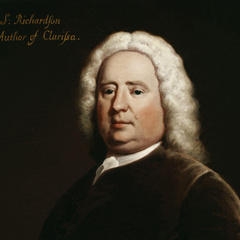
Samuel Richardson
Samuel Richardson (August 19, 1689 - July 4, 1761) was an 18th-century English writer, widely regarded as one of the founders of the modern English novel. Born in London during the reign of James II, he initially worked in book printing and publishing before turning to writing. Richardson's major works include 'Pamela,' 'Clarissa,' and 'Sir Charles Grandison,' which are renowned for their psychological depth and vivid character development. He pioneered the use of diary and epistolary formats, allowing readers intimate access to characters' inner worlds. His novels were immensely popular in their time and significantly influenced the development of the novel form, particularly in psychological characterization and social commentary. Richardson's focus on moral instruction and feminine virtue reflected 18th-century English societal values. more
You May Also Like
Source: Lord of the Flies: (Penguin Classics Deluxe Edition)
“Nothing that passes between us will ever be wrong. Come back to me.”
Source: Dead After Dark
“Chaos and love when hand in hand and oh, the glorious grace of the world because of it.”
Source: The Story of Son: A Dark Vampire Romance
“Let us be grateful to the mirror for revealing to us our appearance only.”
Source: The Utopia MEGAPACK ®: 20 Classic Utopian and Dystopian Works
Source: A Tree Grows in Brooklyn
Source: Snow Crash
“You have two numbers in your age when you are ten. It's the beginning of growing up.”
Source: Betsy and Tacy Go Over the Big Hill
“If you do not change, you can become extinct !”
Source: Who Moved My Cheese?: An A-Mazing Way to Deal with Change in Your Work and in Your Life
Source: THE FRENCH LIEUTENTANT'S WOMAN