“No matter what our achievements might be, we think well of ourselves only in rare moments.”
Quote by Eric Hoffer
Author
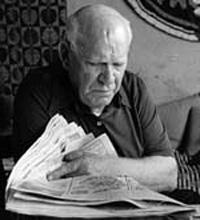
Eric Hoffer
Eric Hoffer was an American philosopher known for his profound insights into human nature. His works often explore society, politics, and human behavior, particularly focusing on the experiences of the underclass. Hoffer came from a German immigrant family and worked in various jobs in California during his youth, including dockworker, cook, and gardener. His first book, 'The Ordeal of Change', was published in 1950 and quickly became a bestseller, gaining him widespread recognition. His other works include 'The Ordeal of Change' and 'The True Believer' among others. more
You May Also Like
Source: Between the Devil and the Dragon: The Best Essays and Aphorisms of Eric Hoffer
Source: Between the Devil and the Dragon: The Best Essays and Aphorisms of Eric Hoffer
Source: Before the Sabbath
Source: Between the Devil and the Dragon: The Best Essays and Aphorisms of Eric Hoffer
“There is apparently no surer way of turning a thing into its opposite than by exaggerating it”
Source: The Ordeal of Change
Source: Between the Devil and the Dragon: The Best Essays and Aphorisms of Eric Hoffer
Source: The Passionate State of Mind
Source: The Ordeal of Change
Source: THE TRUE BELIEVER
Source: Between the Devil and the Dragon: The Best Essays and Aphorisms of Eric Hoffer