Quotessence
Home / Quotes / Quote by Jean Rhys

Quote by Jean Rhys

Work

Wide Sargasso Sea

Wide Sargasso Sea is a novel that provides insight into the life of Antoinette Cosway, a character from Charlotte Brontë's Jane Eyre. The story is set in the Caribbean and delves into the complex social and personal issues faced by Antoinette, offering a critical perspective on colonialism and the impact it had on her life. more
Author

Jean Rhys
Jean Rhys

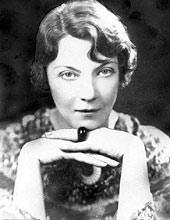
Jean Rhys, a British novelist born on August 24, 1890, in the Dominican Republic, and died on May 14, 1979. Her works are known for their profound psychological descriptions and exploration of the female condition, with notable titles such as 'Wide Sargasso Sea'. more

You May Also Like

“There's a part of me which has always wanted to hear a man say, "Let me take care of you forever," and I have never heard it spoken before. Over the last few years, I'd given up looking for that person, learned how to say this heartening sentence to myself, especially in times of fear. But to hear it from someone else now, from someone who is speaking sincerely.”

“But he could not taste, he could not feel. In the teashop among the tables and the chattering waiters the appalling fear came over him- he could not feel. He could reason; he could read, Dante for example, quite easily…he could add up his bill; his brain was perfect; it must be the fault of the world then- that he could not feel.”

“Whoop-de-do," said Ram. "What?" "I'm celebrating." "Was that irony or loss of mental function?" asked the expendable. "Was that a rhetorical questions, a bit of humor, or a sign that you are losing confidence in me?" "I have no confidence in you, Ram," said the expendable. "Well, thanks." "You're welcome.”

“How many people do you know who are obsessed with their work, who are type A or have stress related diseases and who can’t slow down? They can’t slow down because they use their routine to distract themselves, to reduce life to only its practical considerations. And they do this to avoid recalling how uncertain they are about why they live.”