“He may well speak French and Latin and half a dozen languages, but since he has nothing to say – what good are they?”
Quote by Philippa Gregory
Work
Philippa Gregory's Tudor Court 6-Book Boxed Set: The Constant Princess, The Other Boleyn Girl, The Boleyn Inheritance, The Queen's Fool, The Virgin's Lover, and The Other Queen
The set includes 'The Constant Princess,' which follows Catherine of Aragon; 'The Other Boleyn Girl,' exploring the life of Anne Boleyn; 'The Boleyn Inheritance,' a continuation of the Anne Boleyn story; 'The Queen's Fool,' which centers on the court fool's perspective; 'The Virgin's Lover,' focusing on Henry VIII's early love affair; and 'The Other Queen,' which delves into the life of Mary, Queen of Scots. These novels combine historical detail with fictional narrative to create a rich tapestry of the Tudor era. more
Author
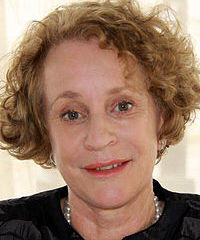
Philippa Gregory
Philippa Gregory is a celebrated British historical fiction author, recognized for her works that delve into the lives of historical figures and events, particularly during the Wars of the Roses. Born on January 9, 1954, she has gained prominence in the genre, with her novels often adapted for television and film. more
You May Also Like
Source: The Constant Princess
Source: Cry, the Beloved Country
Source: The Picture of Dorian Gray (Diversion Classics)
Source: Black & White
Source: Naughts & Crosses
Source: The Way of All Flesh
Source: Naughts & Crosses
“The news lies all the time. They tell us what they think we would want to hear.”
“Who did it, Sephy?' She repeated. 'Who beat you up? 'Cause whoever it was, I'll kill them.”
Source: Black & White