“On the Continent, every attempt to substitute a lighter punishment for death was fiercely denounced as a direct violation of the Divine law. Indeed, some persons went so far as to question the lawfulness of strangling the witch before she was burnt. Her crime, they said, was treason against the Almighty, and therefore to punish it by any but the most agonizing deaths was an act of disrespect to Him. Besides, the penalty in the Levitical code was stoning, and stoning had been pronounced by the Jewish theologians to be a still more painful death than the stake.”
Quote by William Edward Hartpole Lecky
Author
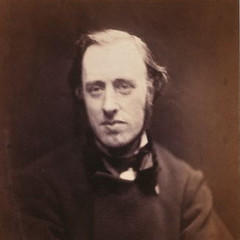
William Edward Hartpole Lecky
William Edward Hartpole Lecky was a British political figure and philosopher, known for his contributions to history and ethics, particularly in the fields of political thought history and moral philosophy. His works are extensive and cover European political thought from ancient Greece to the 19th century. more
You May Also Like
“The only person who is a worse liar than a faith healer is his patient.”
“Oh, that [his Thanksgiving Message] is some of Seward's nonsense, and it pleases the fools.”
Source: Collected Works: The Abraham Lincoln Association, Springfield, Illinois. Roy P. Basler, Editor; Marion Dolores Pratt and Lloyd A. Dunlap, Assistant Editors
Source: The Table Talk of Abraham Lincoln
Source: Ingersoll: Fifty Great Selections, Lectures, Tributes, After Dinner Speeches and Essays, Carefully Selected from the Twelve Volume Dresden Edition of Colonel Ingersoll's Complete Works
“Mr. Lincoln had no hope, and no faith, in the usual acceptation of those words.”