Quotessence
Home / Quotes / Quote by Lord Chesterfield

Quote by Lord Chesterfield

“Many young people adopt pleasures for which they have not the least taste, only because they are called by that name.... You mustallow that drunkenness, which is equally destructive to body and mind, is a fine pleasure. Gaming, that draws you into a thousand scraps, leaves you penniless, and gives you the air and manners of an outrageous madman, is another most exquisite pleasure, is it not? As to running after women, the consequences of that vice are only the loss of one's nose, the total destruction of health, and, not unfrequently, the being run through the body.”

Quote by Lord Chesterfield

Author
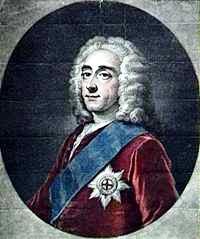
Lord Chesterfield
Lord Chesterfield

British statesman known for his epistolary works, which had a profound impact on 18th-century British society. more

You May Also Like

“Pleasure is the rock which most young people split upon; they launch out with crowded sails in quest of it, but without a compassto direct their course, or reason sufficient to steer the vessel; for want of which, pain and shame, instead of pleasure, are the returns of their voyage.”

“Cultivate the habit of thinking ahead, and of anticipating the necessary and immediate consequences of all your actions.... Likewise in your pleasures, ask yourself what such and such an amusement leads to, as it is essential to have an objective in everything you do. Any pastime that contributes nothing to bodily strength or to mental alertness is a totally ridiculous, not to say, idiotic, pleasure.”

“I can hardly bring myself to caution you against drinking, because I am persuaded that I am writing to a rational creature, a gentleman, and not to a swine. However, that you may not be insensibly drawn into that beastly custom of even sober drinking and sipping, as the sots call it, I advise you to be of no club whatsoever.”

“One of the greatest difficulties in civil war is, that more art is required to know what should be concealed from our friends, than what ought to be done against our enemies.”

“I could wish there were a treaty made between the French and the English theatres, in which both parties should make considerableconcessions. The English ought to give up their notorious violations of the unities, and all their massacres, racks, dead bodies, and mangled carcasses, which they so frequently exhibit upon their stage. The French should engage to have more action, and less declamation, and not to cram and to crowd things together to almost a degree of impossibility from a too scrupulous adherence to the unities.”