Quotessence
Home / Quotes / Quote by Ezra Pound

Quote by Ezra Pound

Work

ABC of Reading

This book delves into the art of reading, offering insights into how to understand and appreciate literature. It covers various aspects of reading, including comprehension strategies, analysis techniques, and the appreciation of different literary forms. more
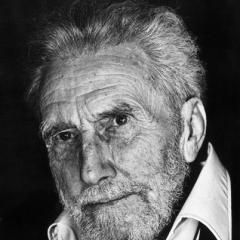
Author

Ezra Pound
Ezra Pound

Ezra Pound was an American poet, literary critic, and economist. Born on October 30, 1885, and passing away on November 1, 1972, he is regarded as one of the most influential poets of the 20th century. Known for his work in the Imagist movement and his extensive contributions to literature, Pound played a pivotal role in shaping modern poetry. more

You May Also Like

“By striving so mightily to accomplish specific goals on behalf of one segment of humanity, she [Toni Morrison] went beyond them to create literary wonders capable of enriching the lives of not just her own people, but of all people.”

“When reading about what may be described as the lesser celebrated heroic figures of the Harlem Renaissance, we rarely get a definitive look at just how complicated and sometimes dangerous their everyday lives were. In fact, until the past ten years, many defined the period primarily by its well-known literary, musical, and artistic elements while overlooking the fact there was any political component to it at all.”

“Any historian of the literature of the modern age will take virtually for granted the adversary intention, the actually subversive intention, that characterizes modern writing - he will perceive its clear purpose of detaching the reader from the habits of thought and feeling that the larger culture imposes, of giving him a ground and a vantage point from which to judge and condemn, and perhaps revise, the culture that produces him.”

“The mental suffering you create is always some form of non-acceptance, some form of unconscious resistance to what is. On the level of thought, the resistance is some form of judgement. The intensity of the suffering depends on the degree of resistance to the present moment.”