Quotessence
Home / Quotes / Quote by Franz Kafka

Quote by Franz Kafka

Author

Franz Kafka
Franz Kafka

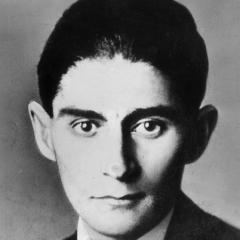
Franz Kafka (July 3, 1883 - June 3, 1924) was an important German-language novelist of the 20th century, known for his unique literary style and profound philosophical thoughts. His works, often themed around loneliness, alienation, and existentialism, have had a profound impact on literature and philosophy. more

You May Also Like

“A faith without some doubts is like a human body without any antibodies in it. People who blithely go through life too busy or indifferent to ask hard questions about why they believe as they do will find themselves defenseless against either the experience of tragedy or the probing questions of a smart skeptic. A person's faith can collapse almost overnight if she has failed over the years to listen patiently to her own doubts, which should only be discarded after long reflection. Believers should acknowledge and wrestle with doubts — not only their own but their friends' and neighbors'. It is no longer sufficient to hold beliefs just because you inherited them. Only if you struggle long and hard with objections to your faith will you be able to provide the grounds for your beliefs to skeptics, including yourself, that are plausible rather than ridiculous or offensive. And, just as important for our current situation, such a process will lead you, even after you come to a position of strong faith, to respect and understand those who doubt.”

“Not everyone understands what a completely rational process this is, this maintenance of a motorcycle. They think it's some kind of "knack" or some kind of "affinity for machines" in operation. They are right, but the knack is almost purely a process of reason, and most of the troubles are caused by what old time radio men called a "short between the earphones," failures to use the head properly. A motorcycle functions entirely in accordance with the laws of reason, and a study of the art of motorcycle maintenance is really a miniature study of the art of rationality itself.”