Quotessence
Home / Quotes / Quote by John Woolman

Quote by John Woolman

“I saw in these southern provinces so many vices and corruptions, increased by this trade and this way of life, that it appeared to me as a dark gloominess hanging over the land; and though now many willingly run into it, yet in future the consequence will be grievous to posterity.”

Quote by John Woolman

Work

The Journal of John Woolman

This book is a compilation of the personal writings of John Woolman, a prominent figure in the Quaker movement during the 18th century. His journal entries offer insights into his spiritual journey, his advocacy for social justice, and his opposition to slavery. The text provides a glimpse into the life and thoughts of a man deeply committed to living according to his Quaker beliefs. more

Author
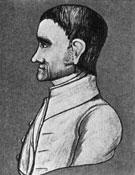
John Woolman
John Woolman

John Woolman was a prominent eighteenth-century merchant and Quaker social reformer from Pennsylvania. He is known for his advocacy of peace, justice, and the abolition of slavery. Woolman's writings and personal example influenced many in the movement for social reform. more

You May Also Like

“Here in the United States, very little effort has been made to voice formal apologies, make reparations, or pass political mandates about education. Yet this country was founded in part by genocidal policies directed at Native Americans and the enslavement of Black people. Both of these things are morally repugnant. Still I love my country. In fact, it is because I love my country that I want to make sure the mistakes of our past do not get repeated. We cannot afford to cover over the dark chapters of our history, as we have for decades upon decades. It is time for that to stop.”

“Slavery was more or less brought to an end in America, although not as quickly or apologetically as it should have been, and even after slavery ended, the descendants of slaves have been treated very terribly by many people in places with much hatred and violence, which, like slavery, may someday come to an end, although not as quickly or apologetically as any decent person would like.”

“The ship was bound for the Carolinas; and you must not suppose that I was going to that place merely as an exile. The trade was even then much depressed; since that, and with the rebellion of the colonies and the formation of the United States, it has, of course, come to an end; but in those days of my youth, white men were still sold into slavery on the plantations, and that was the destiny to which my wicked uncle had condemned me.”

“In some [Southern States] the Union sentiment was so strong that it had to be suppressed by force. Maryland, Delaware, Kentucky and Missouri, all Slave States, failed to pass ordinances of secession; but they were all represented in the so-called congress of the so-called Confederate States. The Governor and Lieutenant-Governor of Missouri, in 1861, Jackson and Reynolds, were both supporters of the rebellion and took refuge with the enemy. The governor soon died, and the lieutenant-governor assumed his office; issued proclamations as governor of the State; was recognized as such by the Confederate Government, and continued his pretensions until the collapse of the rebellion. The South claimed the sovereignty of States, but claimed the right to coerce into their confederation such States as they wanted, that is, all the States where slavery existed. They did not seem to think this course inconsistent. The fact is, the Southern slave-owners believed that, in some way, the ownership of slaves conferred a sort of patent of nobility—a right to govern independent of the interest or wishes of those who did not hold such property. They convinced themselves, first, of the divine origin of the institution and, next, that that particular institution was not safe in the hands of any body of legislators but themselves.”

“Ermias Davidson Asghedom (Nipsey Hussle) provided the blueprint for future rappers - talented lyricists - destined for the industry. On top of showing them how to think beyond Hip Hop, he also showed them how to combat Mumble Rap - a weapon designed by the opposition to our covert empowerment movement, which has been underway, through song, since slavery of which America, herself, has yet to atone for.”