“Miriam is never very far. She is here, in these walls they've repainted, in the trees they've planted, in the blankets that keep the children warm, in these pillows and books and pencils. She is in the children's laughter. She is in the verses Aziza recites and in the prayers she mutters when she bows westward. But mostly, Miriam is in Laila's own heart, where she shines with the burning radiance of a thousand suns.”
Quote by Khaled Hosseini
Work
A Thousand Splendid Suns
This novel delves into the lives of two women in Afghanistan, highlighting their struggles and triumphs amidst political turmoil and personal tragedy. The narrative weaves through decades, showcasing the evolving dynamics of their relationships and the resilience of the human spirit in a challenging environment. more
Author
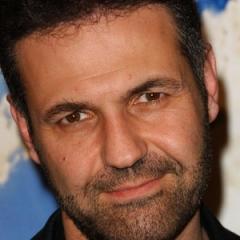
Khaled Hosseini
Khaled Hosseini is an Afghan-American novelist, best known for his novel 'The Kite Runner,' which has become a global bestseller. The story, centered around themes of friendship, betrayal, and redemption, has resonated with readers worldwide. Hosseini's works often focus on the history and culture of Afghanistan, as well as the complexities of human nature. more
You May Also Like
Source: The Mask of Fear
Source: Warriors of the Storm
Source: The One
Source: The Brothers Karamazov
“Happy the family man who has such a corner, but woe to the bachelor!”
Source: Dead Souls
“To my mom and dad, and my brother, Casey. You're like family to me.”
Source: A Very Punchable Face
Source: Fünf Wörter für Sehnsucht
Source: Of Villains and Vendettas
“When it comes to family, who knows which is more important: love or tolerance?”
Source: Grey Bees