Quotessence
Home / Quotes / Quote by Virginia Woolf

Quote by Virginia Woolf

“Nothing need be said; nothing could be said. There it was, all around them. It partook, she felt, helping Mr. Bankes to a specially tender piece, of eternity; as she had already felt about something different once before that afternoon; there is a coherence in things, a stability; something, she meant, is immune from change, and shines out in the face of the flowing, the fleeting, the spectral, like a ruby; so that again to-night she had the feeling she had had once to-day already, of peace, of rest. Of such moments, she thought, the thing is made that remains for ever after. This would remain.”

Quote by Virginia Woolf

Work

To the Lighthouse

A classic work of modernist literature, the novel delves into the complexities of human relationships and the internal struggles of its characters through the lens of a family's summer vacation at a lighthouse. more

Author

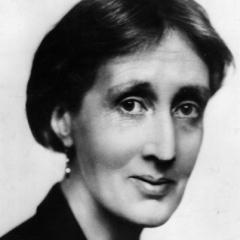
Virginia Woolf
Virginia Woolf

British modernist writer, known for her unique narrative techniques and profound portrayal of female experience. Her works include 'To the Lighthouse' and 'Mrs. Dalloway'. more

You May Also Like

“Forse sapevano, un po' meglio degli altri, decifrare, o magari suscitare, questi segni favorevoli. Le loro orecchie, le loro dita, il loro palato, come se fossero stati costantemente all'erta, aspettavano solo questi istanti propizi, scatenabili con un nonnulla. Ma, in questi momenti in cui si lasciavano trasportare da un sentimento di calma totale, di eternità, che nessuna tensione turbava, in cui tutto era in equilibrio, deliziosamente lento, la forza di quelle gioie esaltava tutto quel che c'era in esse di effimero e fragile.”

“Buddha’s teachings are scientific methods to solve the problems of all living beings permanently. ... For Buddhists, faith in Buddha Shakyamuni is their spiritual life; it is the root of all Dharma realizations. If we have deep faith in Buddha we shall naturally develop the strong wish to practise his teachings. With this wish we shall definitely apply effort in our Dharma practice, and with strong effort we shall accomplish permanent liberation from the suffering of this life and countless future lives.”

“There is a wealth of source material concernig Gotama Buddha, far more than for (Confucius or Jesus Christ, for example. The problem thus becomes one of selection. There are also, as Erich Frauwallner has pointed out, far more historical facts available for the Buddha than for his near contemporaries, the Greeks Thales and Pythagoras. There can be no doubt concerning the cxistence of the person who advocated the unique thought that we attribute to him.”

“The Buddha taught that meditation, combined with the observance of a moral code and the development of wisdom, is the path to enlightenment. Through meditation, Buddhists strive to experience what the Buddha experienced — loss of self and ego, the ability to see things as they really are, and the self-transformation that goes with the attainment of enlightenment. Meditation therefore offers potential for personal growth, spiritual advancement through the conquest of psychological obstacles, and the possibility of greater happiness. This partly explains the great surge of interest in Buddhism in the Western world in the second half of the 20th century.”