Quotessence
Home / Quotes / Quote by Thomas Pogge

Quote by Thomas Pogge

“Dictatorial regimes often manage to keep themselves in power because they are recognized by foreigners as representing the state and its people, and therefore as entitled to sell the country's natural resources and to borrow money in its people's name. These privileges conferred by foreigners keep autocrats in power despite the fact that they were not elected and do not rule in the interest of the population.”

Quote by Thomas Pogge

Author
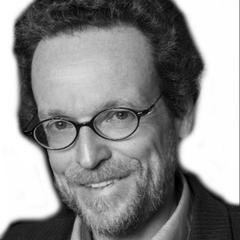
Thomas Pogge
Thomas Pogge

Thomas Pogge is a German-born American philosopher known for his contributions to ethics and political philosophy. His research focuses on issues of global justice, poverty, and inequality, particularly concerning human rights in developing countries. more

You May Also Like

“The domestic power structure - how power is exercised in the United States, for instance - greatly influences the structure of international institutions. So, for example, the Clinton administration was very influential in shaping the WTO treaty, and, because of the way the US domestic political system works, this meant that corporations could use the US government to wield a huge influence.”

“If we offer a prize, so to speak, to anyone who manages to bring a country under his physical control - namely, that they can then sell the country's resources and borrow in its name - then it's not surprising that generals or guerrilla movements will want to compete for this prize. But that the prize is there is really not the fault of the insiders. It is the fault of the dominant states and of the system of international law they maintain.”

“The fact that oppressive and corrupt regimes can borrow money in the name of the whole country means that the country's future generations will be weighed down by interest and repayment burdens, even if the money has been frittered away in some frivolous way, embezzled or used for weapons to suppress the country's population.”

“Our international banking system allows banks to accept funds gained from tax evasion and other crimes and thereby facilitates and encourages embezzlement by public officials, especially in developing countries, as well as tax evasion and tax avoidance by multinational corporations.”

“In the United States there are only two exceptions: banks have to report deposits they suspect to be related to either terrorism or drug trafficking. But if your funds derive from trafficking women and children for sexual exploitation, for example, or from illegal arms trafficking or any other illegal activity, then banks in the US are legally free to accept your money and are not required to report your deposit to the authorities.”

“The massive corruption common in so many developing countries would be quite impossible if Western countries did not provide convenient opportunities to ship ill-gotten funds out of the country. It wouldn't make much sense for a ruler to store in his basement large quantities of stolen cash in his own country's currency. A corrupt ruler wants to be able to keep this money safe and to be able to spend it. And for this, he needs to convert it into a Western currency and store it in a bank abroad, where it can also earn investment returns and be bequeathed to his heirs.”

“The global financial crisis is a great opportunity to showcase and propagate both causal and moral institutional analysis. The crisis shows major flaws in the way the US financial system is regulated and, more importantly, in our political system, which is essentially a bazaar of legalized bribery where financial institutions can buy themselves the governmental regulations they want, along with the regulators who routinely receive lucrative jobs in the industry whose oversight had formerly been their responsibility, the so-called revolving-door practice.”

“Our Supreme Court has lifted the practice of buying legislation to the level of a constitutional principle by repeatedly protecting corporate spending for and against political candidates, as well as promises and threats of such spending to bribe and blackmail such candidates, by appeal to the free-speech clause of the First Amendment.”