“Many of the Iroquois and Huron houses were of similar construction, the partitions being at the sides only, leaving a wide passage down the middle of the house.”
Quote by Francis Parkman
Work
France and England in North America: Pioneers of France in the New World. The Jesuits of North America in the seventeenth century. La Salle and the discovery of the Great West. The old régime in Canada
France and England in North America: Pioneers of France in the New World. The Jesuits of North America in the seventeenth century. La Salle and the discovery of the Great West. The old régime in Canada is a comprehensive study that delves into the complex historical relationship between France and England in North America. The book examines the activities of the Jesuits during the 17th century, their influence on the region, and their contributions to the cultural and religious landscape. It also covers the exploration efforts of La Salle, including his discovery of the Great West. Additionally, the book provides insights into the political and social systems that governed Canada during the period, offering a detailed look at the old régime. more
Author
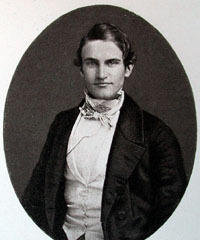
Francis Parkman
Francis Parkman was an American historian renowned for his in-depth research on the colonial period in North America and the French colonies. His works, such as 'The French and Indian War' and 'The Conquest of Peru by Pizarro,' have had a profound impact on subsequent historical research. more
You May Also Like
“Our New England climate is mild and equable compared with that of the Platte.”
Source: The Oregon Trail: Juvenile History - - American
Source: France and England in North America
Source: The Conquests of Mexico And Peru
“Foreign powers do not seem to appreciate the true character of our government.”
“I cannot, whilst President of the United States, descend to enter into a newspaper controversy.”
“I am only one but still I am one. I cannot do everything, but still I can do something.”