“As long as this exists, this sunshine and this cloudless sky, and as long as I can enjoy it, how can I be sad?”
Quote by Anne Frank
Work
The diary of a young girl
This book is a compilation of personal entries and reflections written by Anne Frank, a Jewish girl who documented her experiences during the Nazi occupation of the Netherlands. The diary offers a unique perspective on the horrors of war and the resilience of the human spirit, as seen through the eyes of a child. more
Author
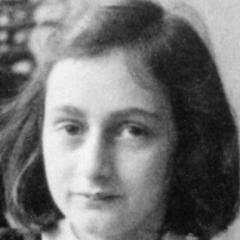
Anne Frank
Anne Frank, born on June 12, 1929, was a renowned Jewish author. Her diary, 'The Diary of a Young Girl,' is a testament to the sufferings of Jews during World War II and a classic in world literature. She and her family hid from the Nazis in an Amsterdam hiding place during the war, and her diary, written during this time, later became widely read. Anne Frank died in the Bergen-Belsen concentration camp in 1945. more
You May Also Like
Source: Pride and Prejudice and Zombies: The Classic Regency Romance--now with Ultraviolent Zombie Mayhem
Source: Towards Another Summer
Source: Towards Another Summer
“To describe my scarce leisure time in today's terms, I always default to reading.”
Source: Dark Lover: Number 1 in series
Source: Sister Mine: A Novel
Source: J
“We are all afforded our physical existence so we can learn about ourselves.”