“Temples have their images; and we see what influence they have always had over a great part of mankind. But, in truth, the ideas and images in men's minds are the invisible powers that constantly govern them; and to these they all pay universally a ready submission.”
Quote by Jonathan Edwards
Work
Inquiry into the freedom of the will. The great Christian doctrine of original sin defended
Written as a scholarly examination, the book investigates the implications of original sin on the understanding of human free will. It engages with historical and contemporary theological perspectives, analyzing the role of free will in the context of divine sovereignty and human responsibility. more
Author
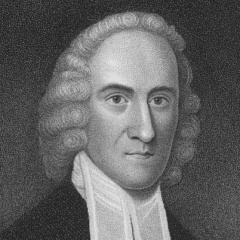
Jonathan Edwards
Jonathan Edwards, born on October 5, 1703, and died on March 22, 1758, was a prominent American preacher. He is known for his profound theological thoughts and unique preaching style, which had a profound impact on the religious reform in North America. more
You May Also Like
“There is nothing that keeps wicked men at any one moment out of hell, but the mere pleasure of God”
Source: The Works of Jonathan Edwards, A.M.
Source: The Works of Jonathan Edwards
Source: Sermons of Jonathan Edwards
“Assurance is not to be obtained so much by self-examination as by action”
Source: A treatise concerning religious affections. Five discourses on important subjects
Source: The Works of Jonathan Edwards
Source: The Works of President Edwards;: Five sermons on different occasions. Miscellaneous observations on important theological controversies. Distinguishing marks of a work of the spirit of God