“Anarchy is a word that comes from the Greek, and signifies, strictly speaking, "without government": the state of a people without any constituted authority. Before such an organization had begun to be considered possible and desirable by a whole class of thinkers, so as to be taken as the aim of a movement (which has now become one of the most important factors in modern social warfare), the word "anarchy" was used universally in the sense of disorder and confusion, and it is still adopted in that sense by the ignorant and by adversaries interested in distorting the truth.”
Quote by Errico Malatesta
Author
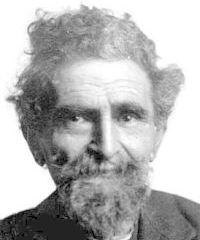
Errico Malatesta
Errico Malatesta was an Italian anarchist philosopher, writer, and activist. Born on December 14, 1853, in Recanati, Italy, he was a prominent figure in the anarchist movement. His work focused on the principles of anarchism, advocating for a society without authority and state. Malatesta was a key figure in the development of anarchist theory and practice, influencing many later anarchists. He passed away on July 22, 1932. more
You May Also Like
“I see it is impossible for the King to have things done as cheap as other men.”
“My wife, who, poor wretch, is troubled with her lonely life.”
Source: The Diary of Samuel Pepys: Companion
Source: Diary and correspondance of Samuel Pepys, F.R.S.,secretary to the admiralty in the Reigns of Charles II and James II