“But soon the poltergeist ran out of ideas in connection with Aunt Maud and became, as it were, more eclectic. All the banal motions that objects are limited to in such cases, were gone through in this one. Saucepans crashed in the kitchen; a snowball was found (perhaps, prematurely) in the icebox; once or twice Sybil saw a plate sail by like a discus and land safely on the sofa; lamps kept lighting up in various parts of the house; chairs waddled away to assemble in the impassable pantry; mysterious bits of string were found on the floor; invisible revelers staggered down the staircase in the middle of the night; and one winter morning Shade, upon rising and taking a look at the weather, saw that the little table from his study upon which he kept Bible-like Webster open at M was standing in a state of shock outdoors, on the snow (subliminally this may have participated in the making of lines 5-12). I imagine, that during the period the Shades, or at least John Shade, experienced a sensation of odd instability as if parts of the everyday, smoothly running world had got unscrewed, and you became aware that one of your tires was rolling beside you, or that your steering wheel had come off.”
Quote by Vladimir Nabokov
Work
Pale Fire is a 1962 novel by Vladimir Nabokov written as a long poem in four sections followed by a detailed commentary. The poem titled Pale Fire is attributed to the fictional poet John Shade, while the extensive notes are attributed to Charles Kinbote, a neighbor and self-proclaimed friend of Shade. The narrative structure creates profound ambiguity about what actually occurred, as the commentary increasingly reveals biases, inconsistencies, and personal preoccupations that conflict with the poem's surface meaning. The book explores themes of artistic creation, the nature of interpretation, exile from a lost homeland, and the fragility of meaning-making in the face of death. It is considered one of the most innovative novels of the twentieth century. more
Author
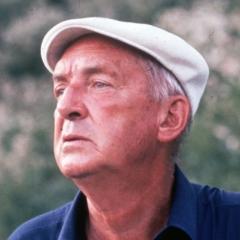
Russian-born American novelist, best known for his novel 'Lolita'. Nabokov is renowned for his unique literary style and profound use of language and symbolism. more