“When we become advocates of a creed, something dies; we do not believe God, we only believe our belief about Him.”
Quote by Oswald Chambers
Work
My Utmost for His Highest Classic Edition
Written by Oswald Chambers, this classic devotional book provides readers with a daily dose of spiritual wisdom and inspiration. Each entry is designed to encourage personal reflection and spiritual development, offering a blend of biblical teachings and personal anecdotes. The Classic Edition preserves the original text and formatting, making it a cherished resource for individuals seeking spiritual guidance and strength. more
Author
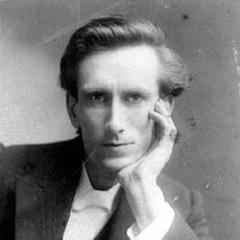
Oswald Chambers
Oswald Chambers (July 24, 1874 – November 15, 1917) was a Scottish Christian minister, teacher, and writer, best known for his devotional classic 'My Utmost for His Highest'. Born in Aberdeen, he studied art in London before feeling called to ministry. He taught at the Bible Training College in London and served as a YMCA chaplain to British soldiers in Egypt during World War I, where he died of complications from appendicitis. His works, compiled posthumously by his wife Gertrude, have inspired millions worldwide. more
You May Also Like
“You are -- your life, and nothing else.”
Source: No exit, and three other plays
“Each night, when I go to sleep, I die. And the next morning, when I wake up, I am reborn.”
Source: The Complete Novels of Jane Austen
Source: The Classical Utilitarians: Bentham and Mill
Source: Through the Looking-glass: And what Alice Found There
“The essential American soul is hard, isolate, stoic, and a killer. It has never yet melted.”
Source: Studies in Classic American Literature
Source: On the Road: The Original Scroll: (Penguin Classics Deluxe Edition)