Quotessence
Home / Quotes / Quote by Ellen Key

Quote by Ellen Key

“The socially pernicious, racially wasteful, and soul-withering consequences of the working of mothers outside the home must cease. And this can only come to pass, either through the programme of institutional upbringing, or through the intimate renaissance of the home.”

Quote by Ellen Key

Author
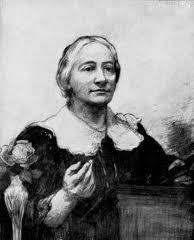
Ellen Key
Ellen Key

Ellen Key was a Swedish writer known for her contributions to the feminist and socialist movements. Her works, which covered social, political, and philosophical issues, had a profound impact on later generations. more

You May Also Like

“It is no accident that this homeplace, as fragile and as transitional as it may be, a makeshift shed, a small bit of earth where one rests, is always subject to violation and destruction. For when a people no longer have the space to construct homeplace, we cannot build a meaningful community of resistance.”

“In our young minds houses belonged to women were their special domain, not as property, but as places where all that truly mattered in life took place - the warmth and comfort of shelter, the feeding of our bodies, the nurturing of our souls. There we learned dignity, integrity of being; there we learned to have faith. The folks who made this life possible, who were our primary guides and teachers, were black women.”

“The joyous fulfillment of your sex : the sacred duties of beloved wife, and helpmeet, and mother. In opposition to the vulgar and mercantile hurly-burly of the great world, the idyllic pleasures of the domestic hearth-the which, I firmly believe, make of one small room an everywhere, indeed; and provide us with that small measure of bliss, which is, if we are greatly fortunate, and deserving, Our Lord's promise to us, of the Heaven to come.”

“She walked quickly around her one-room apartment. After more than four years in this one home she knew all its possibilities, how it could put on a sham appearance of warmth and welcome when she needed a place to hide in, how it stood over her in the night when she woke suddenly, how it could relax itself into a disagreeable unmade, badly-put-together state, mornings like this, anxious to drive her out and go back to sleep.”

“In this moment she felt that she had been robbed of an enormous number of valuable things, whether material or intangible: things lost or broken by her own fault, things she had forgotten and left in houses when she moved: books borrowed from her and not returned, journeys she had planned and had not made, words she had waited to hear spoken to her and had not heard, and the words she meant to answer with. . . .”