Quotessence
Home / Quotes / Quote by William Stanley Jevons

Quote by William Stanley Jevons

“The wind, as a direct motive power, is wholly inapplicable to a system of machine labour, for during a calm season the whole business of the country would be thrown out of gear. Before the era of steam-engines, windmills were tried for draining mines; but though they were powerful machines, they were very irregular, so that in a long tract of calm weather the mines were drowned, and all the workmen thrown idle.”

Quote by William Stanley Jevons

Work

The coal question: an enquiry concerning the progress of the Nation, and the probable exhaustion of our coal-mines

This book delves into the historical and economic implications of coal mining, exploring its role in the development of nations and the concerns surrounding the exhaustion of coal reserves. more

Author
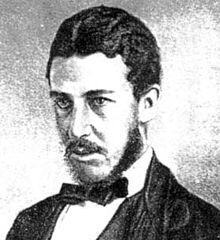
William Stanley Jevons

William Stanley Jevons was a British economist born on September 1, 1835, and died on August 13, 1882. He was a pioneer in the theory of marginal utility and had a profound impact on the development of economics. more

You May Also Like

“Anyone who thinks that wind factories are environmentally friendly should Google "Cefn Croes Photo Gallery", to see 100 chilling pictures showing how many miles of unspoiled Welsh countryside were disfigured to create the largest industrial site in Britain: all to "save" annually less than a quarter of the CO₂ emissions from a single jumbo jet.”

“The output is far from smooth, and the impact on dispatchable plant required to deal with residual demand is highly significant. Our view is that plant operating under these conditions in the support role for wind will suffer: 1) reduced availability, 2) significantly reduced efficiency, and thus 3) higher emissions per MWh generated.”

“And all over the countryside, he knew, on every crest and hill, where once the hedges had interlaced, and cottages, churches, inns, and farmhouses had nestled among their trees, wind wheels similar to those he saw and bearing like vast advertisements, gaunt and distinctive symbols of the new age, cast their whirling shadows and stored incessantly the energy that flowed away incessantly through all the arteries of the city. ... The great circular shapes of complaining wind-wheels blotted out the heavens.”

“The idea of windmills conjures up pleasant images - of Holland and tulips, of rural America with windmill blades slowly turning, pumping water at the farm well ... But the windmills we are talking about today are not your grandmother's windmills. Each one is typically 100 yards tall, two stories taller than the Stature of Liberty, taller than a football field is long.”