“Whether we are aware of it or not, whether we are in control of it or not, there is a first creation to every part of our lives. We are either the second creation of our own proactive design, or we are the second creation of other people's agendas, of circumstances, or of past habits.”
Quote by Stephen Covey
Work
The 7 Habits of Highly Effective People: Powerful Lessons in Personal Change Interactive Edition
Stephen R. Covey's 'The 7 Habits of Highly Effective People' provides a framework for personal and organizational development. The interactive edition includes enhanced features to engage readers in applying the principles of the seven habits to their lives. more
Author
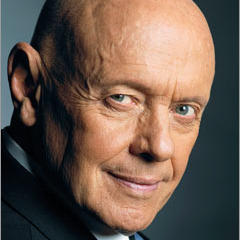
Stephen Covey
Stephen Covey was an American author, entrepreneur, and lecturer, best known for his book 'The 7 Habits of Highly Effective People'. Since its publication in 1989, this book has become a global bestseller and has had a profound impact on personal and organizational development. more
You May Also Like
Source: Daily Reflections for Highly Effective People: Living THE SEVEN HABITS OF HIGHLY SUCCESSFUL PEOPLE Every Day
Source: The 7 Habits of Highly Effective People: Powerful Lessons in Personal Change
Source: The 7 Habits of Highly Effective People: Powerful Lessons in Personal Change
Source: The 7 Habits of Highly Effective People: Powerful Lessons in Personal Change
Source: Between the Devil and the Dragon: The Best Essays and Aphorisms of Eric Hoffer