“I can't abide to see men throw away their tools i' that way, the minute the clock begins to strike, as if they took no pleasure i' their work, and was afraid o' doing a stroke too much.... I hate to see a man's arms drop down as if he was shot, before the clock's fairly struck, just as if he'd never a bit o' pride and delight in's work. The very grindstone 'ull go on turning a bit after you loose it.”
Quote by George Eliot
Work
Four Novels of George Eliot
This compilation brings together four seminal works by George Eliot, showcasing her profound understanding of human nature and her intricate storytelling. The novels delve into themes of social reform, moral dilemmas, and complex characters, reflecting the author's distinctive narrative style and intellectual depth. more
Author
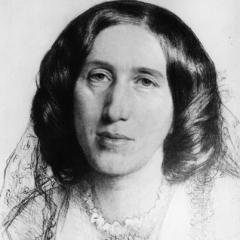
George Eliot
George Eliot, born Mary Ann Evans, was a renowned 19th-century British novelist. Her works are known for their profound psychological insights and critical exploration of social issues. With her unique narrative techniques and rich emotional expression, she has had a profound impact on literature. more
You May Also Like
Source: Delphi Complete Works of George Eliot (Illustrated)
Source: Wit and Wisdom of George Eliot
Source: Delphi Complete Works of George Eliot (Illustrated)
Source: Felix Holt: The Radical
“Even success needs its consolations.”
Source: Life and letters
Source: Wise, Witty, and Tender Sayings in Prose and Verse: Selected from the Works of George Eliot
Source: Scenes of Clerical Life
Source: Adam Bede ... Tenth edition