“Anything good that I have written has, at some point during its composition, left me feeling uneasy and afraid. It has seemed, for a moment at least, to put me at risk.”
Quote by Michael Chabon
Work
Maps and Legends: Reading and Writing Along the Borderlands
This work gathers pieces that reflect on the reading life and the writing process, with particular attention to the territories where literary fiction meets popular genres. The author considers how readers and writers navigate the borderlands between established categories, questioning the assumptions that separate serious literature from entertainment. The essays discuss the influence of comic books, fantasy, science fiction, and detective stories on contemporary writers, while also addressing the practical challenges of constructing narrative and developing voice. Throughout, the collection maintains a focus on the ways that storytelling creates maps of meaning, helping individuals orient themselves in relation to history, place, and imagination. The title itself signals an interest in how we chart unknown territories and how we interpret the signs and symbols that guide us through unfamiliar landscapes of literature and life. more
Author
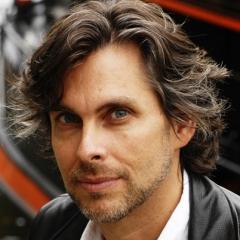
Michael Chabon
Michael Chabon is an American author known for his rich imagination and unique narrative style. His works span various literary genres, including novels, short story collections, and children's literature. Chabon's notable works include 'The Amazing Adventures of Kavalier & Clay', 'The Yiddish Policemen's Union', and 'The Mysteries of Pittsburgh', which have won him widespread acclaim and numerous literary awards. more
You May Also Like
Source: Maps and Legends
Source: Maps and Legends: Reading and Writing Along the Borderlands
Source: The Amazing Adventures of Kavalier & Clay (with bonus content): A Novel
Source: The Yiddish Policemen's Union: A Novel
“Miracles prove nothing except to those whose faith is bought very cheap, sir.”