“Never yield to that temptation, which, to most young men, is very strong, of exposing other people's weaknesses and infirmities, for the sake either of diverting the company, or of showing your own superiority. You may get the laugh on your side by it for the present; but you will make enemies by it for ever; and even those who laugh with you then, will, upon reflection, fear, and consequently hate you.”
Quote by Lord Chesterfield
Work
Lord Chesterfield's Letters
Lord Chesterfield's Letters is a compilation of the correspondence between the 4th Earl of Chesterfield and his son. These letters provide a unique glimpse into the social and political landscape of 18th-century England, as well as the personal wisdom and advice that Lord Chesterfield imparted to his son. more
Author
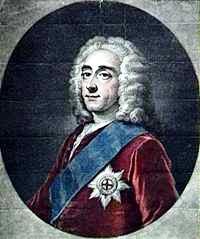
Lord Chesterfield
British statesman known for his epistolary works, which had a profound impact on 18th-century British society. more
You May Also Like
Source: Lord Chesterfield's Letters
Source: Lord Chesterfield's Letters
Source: Lord Chesterfield's Letters
“Love has been not unaptly compared to the small-pox, which most people have sooner or later.”
Source: The Works of Lord Chesterfield: Including His Letters to His Son, Etc : to which is Prefixed, an Original Life of the Author