Quotessence
Home / Quotes / Quote by Sivananda

Quote by Sivananda

Author

Sivananda
Sivananda

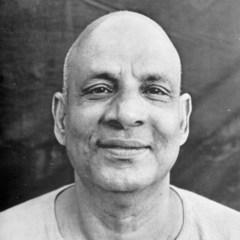
Swami Sivananda (September 8, 1887 – July 14, 1963) was a renowned Indian spiritual leader, yoga master, and prolific author. Originally named Kuppuswami, he was a physician before renouncing worldly life to become a monk. In 1936, he founded the Divine Life Society in Rishikesh, India, dedicated to spreading yoga and Vedanta philosophy worldwide. He authored over 200 books on yoga, meditation, and spiritual practice, profoundly influencing the global yoga movement. His teachings emphasized the integration of various yoga paths, promoting holistic development of body, mind, and spirit. more

You May Also Like

“Everyone talks about freedom. All around the world different people, different races, different countries are fighting for freedom. But what is freedom? In America we speak of living in a free country. But are we really free? Are we free to be who we really are? The answer is no, we are not free. True freedom has to do with the human spirit-it is freedom to be who we really are. Who stops us from being free? We blame the government, we blame the weather, we blame our parents, we blame religion, we blame God. Who really stops us from being free? We stop ourselves.”

“A free mind is one which is untroubled and unfettered by anything, which has not bound its best part to any particular manner of being or worship and which does not seek its own interest in anything but is always immersed in God's most precious will. . . . There is no work which men and women can perform, however small, which does not draw from this its power and strength.”

“As long as you are free, you are free to select and choose alternatives, provided that you are willing to accept the responsibility for being free. And after you've tried your alternatives, and they don't work as you would wish, don't blame me. Blame your choice. Try another alternative.”

“Every good teacher and every good parent has somehow learned to negotiate the paradox of freedom and discipline. We want our children and our students to become people who think and live freely, yet at the same time we know that helping them become free requires us to restrict their freedom in certain situations.”