Quotessence
Home / Quotes / Quote by Sylvia Plath

Quote by Sylvia Plath

Work

the bell jar

This book is a profound exploration of the psychological struggles of a young woman named Esther Greenwood, who experiences a breakdown while working as a guest editor at a prominent magazine. Set in the 1950s, it delves into the complexities of mental illness, societal expectations, and the search for identity. more
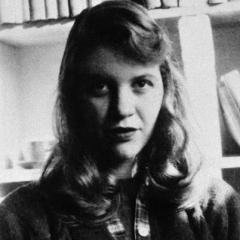
Author

Sylvia Plath
Sylvia Plath

American poet, novelist, and playwright. Her works are known for their profound emotion and unique style, and she is considered one of the most important female writers of the 20th century. more

You May Also Like

“At night, the house thick with sleep, she would peer out her bedroom window at the trees and sky and feel the presence of a mystery. Some possibility that included her--separate from her present life and without its limitations. A secret. Riding in the car with her father, she would look out at other cars full of people she'd never seen, any one of whom she might someday meet and love, and would feel the world holding her making its secret plans.”

“A social order bent on producing wealth as an end in itself cannot avoid the creation of a people whose souls are superficial and whose daily life is captured by sentimentalities. They will ask questions like “why does a good God let bad things happen to good people ” such people cannot imagine that a people once existed who produced and sang the psalms. If we learn to say “God ” we will do so with the prayer “My God my God why have you forsaken me?”

“The job facing American voters… in the days and years to come is to determine which hearts, minds and souls command those qualities best suited to unify a country rather than further divide it, to heal the wounds of a nation as opposed to aggravate its injuries, and to secure for the next generation a legacy of choices based on informed awareness rather than one of reactions based on unknowing fear.”

“He knew that he was the stuff of which fanatics and madmen are made and that he had turned his destiny as if with his bare will. He kept himself upright on a very narrow line between madness and emptiness and when the time came for him to lose his balance he intended to lurch toward emptiness and fall on the side of his choice.”

“A Warrior knows that an angel and a devil are both competing for his sword hand. The devil says: "You will weaken. You will not know exactly when. You are afraid." The angel says: "You will weaken. You will not know exactly when. You are afraid." The Warrior is surprised. Both the angel and the devil have said the same thing. The devil continues: "Let me help you." And the angel says: "I will help you." At that moment the Warrior understands the difference. The words may be the same but these two allies are completely different. And he chooses the angel's hand.”