“Everything that is profound loves the mask: the profoundest things have a hatred even of figure and likeness.”
Quote by Friedrich Nietzsche
Work
The Selected Writings of Friedrich Nietzsche
The Selected Writings of Friedrich Nietzsche is a compilation of key essays and speeches by the German philosopher, highlighting his profound exploration of concepts such as the death of God, the Übermensch, and the will to power. The book offers readers a comprehensive view of Nietzsche's philosophical ideas and their impact on modern thought. more
Author
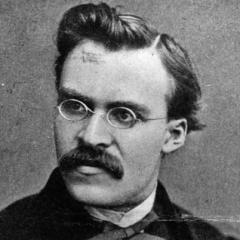
Friedrich Nietzsche
Friedrich Nietzsche was a German philosopher, cultural critic, poet, and writer whose works have had a profound impact on subsequent philosophy, literature, and thought. His ideas revolve around concepts such as the 'will to power', the 'Übermensch', and the 'eternal recurrence'. more
You May Also Like
Source: Writings of Nietzsche: Volume 1
Source: Beyond Good and Evil
Source: Psychology: The Briefer Course
Source: The Heart of William James
Source: Considerations on Representative Government
Source: Our Oriental Heritage: The Story of Civilization