Quotessence
Home / Quotes / Quote by Tim Hecker

Quote by Tim Hecker

“I definitely enjoy liturgical work and choral work from the 15th century and 16th century, but I play in churches with a bit of trepidation, and it's not something I enjoy because there are all these problems. It's an implication that you're part of the theological apparatus, like for atheists or something, and I don't like that. I like playing with the form, inhabiting the tropes of religious music without that promise of angels at the end. It can be awkward, you know?”

Quote by Tim Hecker

Author
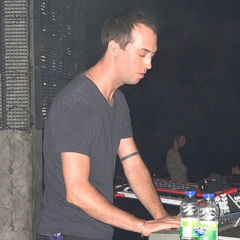
Tim Hecker
Tim Hecker

Tim Hecker, born in 1974, is a renowned musician from Canada. His musical style blends electronic, experimental, and classical elements, winning him acclaim from both fans and critics. more

You May Also Like

“You can't be sure there's not a God, so why live your life in hatred or the denial of that. It's better to be open to the possibility of it. Just because the whole conceit of scientism... is that our world is explained by two atoms smashing, right? Our green planet came out of that. But I just don't buy where the original line comes back to, those two atoms. The explanations aren't fully in yet.”

“I really support criticism as a craft and as a vocation. People who devote as much time to thinking about sound through writing as I do practicing and forming it, the whole system of journalism seems to not yield rewards sustainable as a craft. So few can spend enough time to be serious about it and approach it with confidence and a kind of depth. And that's good on one level, because you have some leveling, that's kind of maybe leveled the petty fiefdoms of undeserving people but it's also made it hard to make a living as a writer.”

“There's a limit of any form of representation; it's the same about writing about visual art. I still think it's useful for people to think through things in a deeper way, and use adjectives even if they're not sufficient, you know? I always find it interesting what terms they use to refer to the work. It's always different, and that's kind of intriguing. Sometimes it's clichés, but often it's really creative ways of paraphrasing or reformatting what to mean seems something else. I like that, personally.”